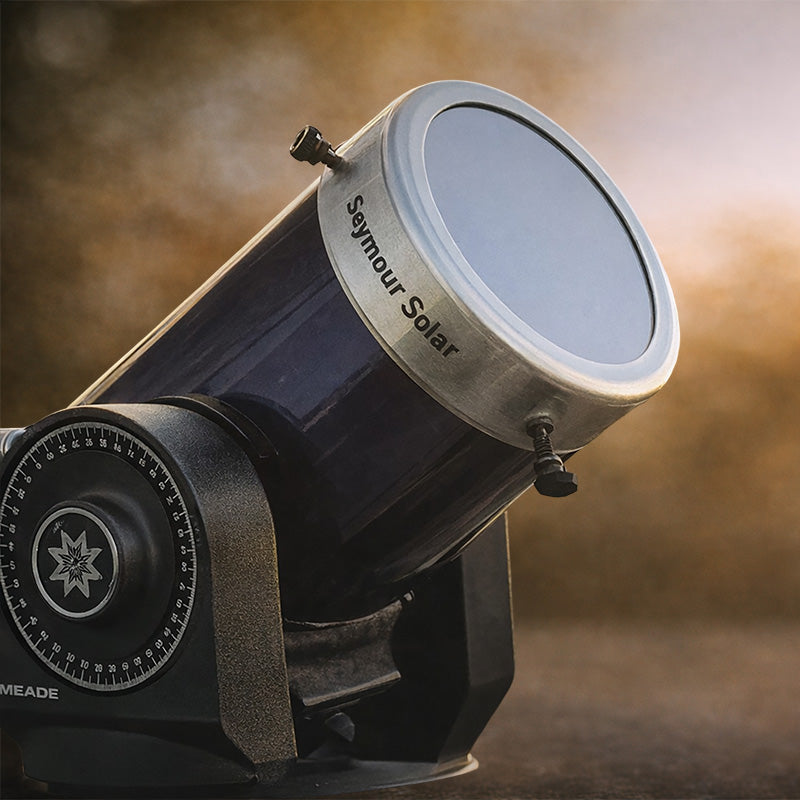


Helios Glass
Helios Glass: rigid glass construction. See product details for handling and care.
$96.95 USD
Available online
View product details

Most people never do this.
If you’re here, you’re already curious. That’s enough to get started.
Threaded camera filters use the exact Ø thread size marked on the lens. Slip-on telescope, spotting-scope, camera, and binocular filters use outside diameter.

Measure once. Order confidently.
For slip-on filters, the only number that matters is the outer diameter of the front of your equipment.
Threaded camera filters use the thread size (Ømm) instead.
That’s it. No math. No guesswork.
Telescope
The most common setup.
Slip-on filters mount to the front of the tube, not the eyepiece.
If you’ve got a telescope, measuring the outer diameter is all you need.
Shop NowBinoculars
Yes—you can use binoculars.
Slip-on filters are sold in pairs, and the same sizing rule applies.
Measure both front barrels and confirm the outside diameters match for a standard pair.
Shop NowCamera lens
There are two options, depending on the filter type.
Threaded filters use the thread size (Ømm).
Slip-on filters use the outer diameter of the front of the lens.
Both are amazing. The method of attachment is just different.
Shop NowGlass or thin-film? It depends how you’ll use it.
Glass filters are durable and stable. They’re built for frequent use, outreach, and gear that gets handled a lot.
Thin-film filters are lightweight and lower cost. They’re easy to travel with and excellent for eclipses and casual observing.
Same safety. Same view. Just different trade-offs.
Standards like ISO 12312-2 apply to solar viewing eyewear for unaided, direct viewing and not to optical solar filters used on telescopes, binoculars, or cameras. We explain this distinction in more detail on our ISO 12312-2 scope page.
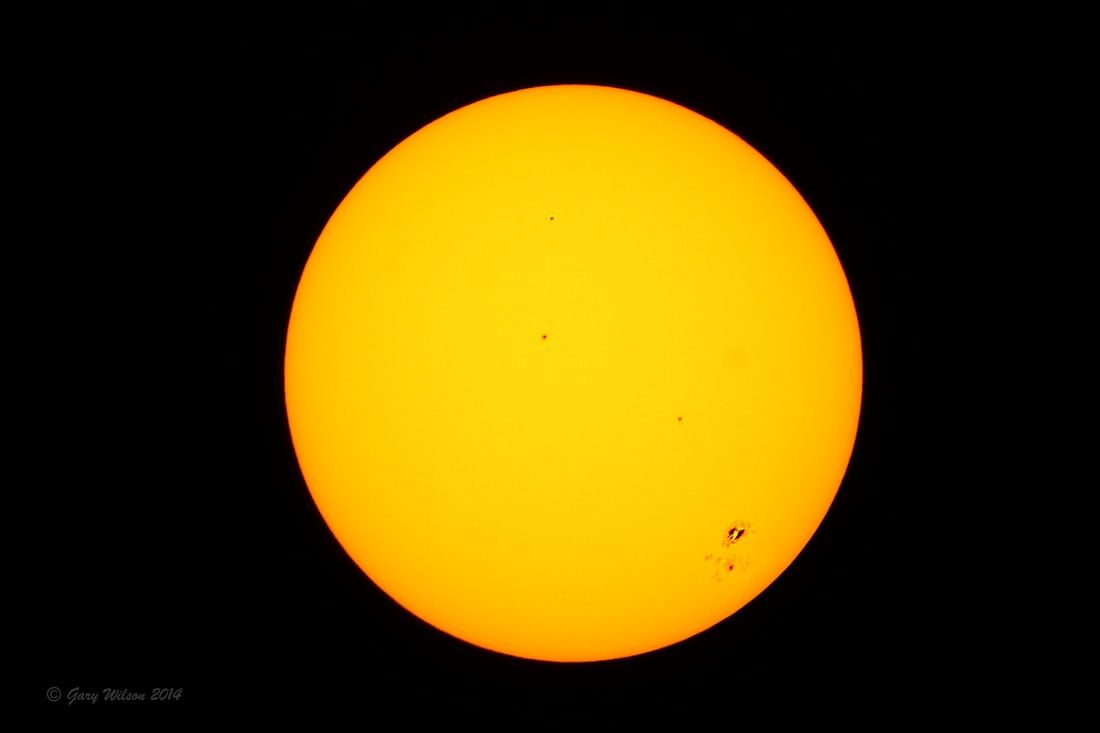
Eclipses are only the beginning.
Ready to choose a filter?
If you’ve got your measurement, choose your device and filter type.
Choose threaded camera filters by exact Ø thread size, or slip-on filters by outside diameter.
Handcrafted solar filters for real white-light observing.
Made by hand in North Carolina.
Built for people who actually want to see what’s happening up there.
Helios Glass: rigid glass construction. See product details for handling and care.
$96.95 USD
Available online
View product details
Helios Glass: rigid glass construction. See product details for handling and care.
$96.95 USD
Currently unavailable
View product details
Helios Glass: rigid glass construction. See product details for handling and care.
$96.95 USD
Available online
View product details
Helios Glass: rigid glass construction. See product details for handling and care.
$106.95 USD
Available online
View product details
Helios Glass: rigid glass construction. See product details for handling and care.
$106.95 USD
Available online
View product details
Helios Glass: rigid glass construction. See product details for handling and care.
$106.95 USD
Available online
View product details
Helios Glass: rigid glass construction. See product details for handling and care.
$106.95 USD
Available online
View product details
Helios Glass: rigid glass construction. See product details for handling and care.
$106.95 USD
Available online
View product details
Helios Glass: rigid glass construction. See product details for handling and care.
$106.95 USD
Available online
View product details
Helios Glass: rigid glass construction. See product details for handling and care.
$116.95 USD
Available online
View product details
Helios Glass: rigid glass construction. See product details for handling and care.
$116.95 USD
Available online
View product details
Helios Glass: rigid glass construction. See product details for handling and care.
$116.95 USD
Available online
View product details
Helios Glass: rigid glass construction. See product details for handling and care.
$116.95 USD
Available online
View product details
Helios Glass: rigid glass construction. See product details for handling and care.
$116.95 USD
Available online
View product details
Helios Glass: rigid glass construction. See product details for handling and care.
$136.95 USD
Available online
View product details
Helios Glass: rigid glass construction. See product details for handling and care.
$136.95 USD
Available online
View product details
Helios Glass: rigid glass construction. See product details for handling and care.
$136.95 USD
Available online
View product details
Helios Glass: rigid glass construction. See product details for handling and care.
$136.95 USD
Currently unavailable
View product details
Helios Glass: rigid glass construction. See product details for handling and care.
$136.95 USD
Currently unavailable
View product details
Helios Glass: rigid glass construction. See product details for handling and care.
$136.95 USD
Currently unavailable
View product details
Helios Glass: rigid glass construction. See product details for handling and care.
$136.95 USD
Currently unavailable
View product details
Helios Glass: rigid glass construction. See product details for handling and care.
$136.95 USD
Currently unavailable
View product details
Helios Glass: rigid glass construction. See product details for handling and care.
$136.95 USD
Currently unavailable
View product details
Helios Glass: rigid glass construction. See product details for handling and care.
$136.95 USD
Currently unavailable
View product details
Helios Glass: rigid glass construction. See product details for handling and care.
$146.95 USD
Available online
View product details
Helios Glass: rigid glass construction. See product details for handling and care.
$146.95 USD
Available online
View product details
Helios Glass: rigid glass construction. See product details for handling and care.
$146.95 USD
Currently unavailable
View product details
Helios Glass: rigid glass construction. See product details for handling and care.
$176.95 USD
Currently unavailable
View product details
Helios Glass: rigid glass construction. See product details for handling and care.
$176.95 USD
Currently unavailable
View product details
Helios Glass: rigid glass construction. See product details for handling and care.
$176.95 USD
Currently unavailable
View product details
Helios Glass: rigid glass construction. See product details for handling and care.
$176.95 USD
Currently unavailable
View product details
Helios Glass: rigid glass construction. See product details for handling and care.
$176.95 USD
Available online
View product details
Helios Glass: rigid glass construction. See product details for handling and care.
$196.95 USD
Currently unavailable
View product details
Helios Glass: rigid glass construction. See product details for handling and care.
$196.95 USD
Currently unavailable
View product details
Helios Glass: rigid glass construction. See product details for handling and care.
$236.95 USD
Currently unavailable
View product details
Helios Glass: rigid glass construction. See product details for handling and care.
$236.95 USD
Currently unavailable
View product details
Helios Glass: rigid glass construction. See product details for handling and care.
$236.95 USD
Available online
View product details
Helios Glass: rigid glass construction. See product details for handling and care.
$236.95 USD
Currently unavailable
View product details
Helios Glass: rigid glass construction. See product details for handling and care.
$236.95 USD
Currently unavailable
View product details
Helios Glass: rigid glass construction. See product details for handling and care.
$236.95 USD
Available online
View product details
Helios Glass: rigid glass construction. See product details for handling and care.
$266.95 USD
Currently unavailable
View product details
Helios Glass: rigid glass construction. See product details for handling and care.
$266.95 USD
Currently unavailable
View product details
Hyperion Thin Film: lightweight film construction. See product details for handling and care.
$46.95 USD
Available online
View product details
Hyperion Thin Film: lightweight film construction. See product details for handling and care.
$46.95 USD
Currently unavailable
View product details
Hyperion Thin Film: lightweight film construction. See product details for handling and care.
$46.95 USD
Available online
View product details
Hyperion Thin Film: lightweight film construction. See product details for handling and care.
$56.95 USD
Available online
View product details
Hyperion Thin Film: lightweight film construction. See product details for handling and care.
$56.95 USD
Available online
View product details
Hyperion Thin Film: lightweight film construction. See product details for handling and care.
$56.95 USD
Available online
View product details
Hyperion Thin Film: lightweight film construction. See product details for handling and care.
$56.95 USD
Available online
View product details
Hyperion Thin Film: lightweight film construction. See product details for handling and care.
$56.95 USD
Available online
View product details
Hyperion Thin Film: lightweight film construction. See product details for handling and care.
$56.95 USD
Available online
View product details
Hyperion Thin Film: lightweight film construction. See product details for handling and care.
$61.95 USD
Available online
View product details
Hyperion Thin Film: lightweight film construction. See product details for handling and care.
$61.95 USD
Available online
View product details
Hyperion Thin Film: lightweight film construction. See product details for handling and care.
$61.95 USD
Available online
View product details
Hyperion Thin Film: lightweight film construction. See product details for handling and care.
$61.95 USD
Available online
View product details
Hyperion Thin Film: lightweight film construction. See product details for handling and care.
$61.95 USD
Available online
View product details
Hyperion Thin Film: lightweight film construction. See product details for handling and care.
$66.95 USD
Available online
View product details
Hyperion Thin Film: lightweight film construction. See product details for handling and care.
$66.95 USD
Available online
View product details
Hyperion Thin Film: lightweight film construction. See product details for handling and care.
$66.95 USD
Available online
View product details
Hyperion Thin Film: lightweight film construction. See product details for handling and care.
$66.95 USD
Available online
View product details
Hyperion Thin Film: lightweight film construction. See product details for handling and care.
$66.95 USD
Available online
View product details
Hyperion Thin Film: lightweight film construction. See product details for handling and care.
$66.95 USD
Available online
View product details
Hyperion Thin Film: lightweight film construction. See product details for handling and care.
$66.95 USD
Available online
View product details
Hyperion Thin Film: lightweight film construction. See product details for handling and care.
$76.95 USD
Available online
View product details
Hyperion Thin Film: lightweight film construction. See product details for handling and care.
$76.95 USD
Available online
View product details